
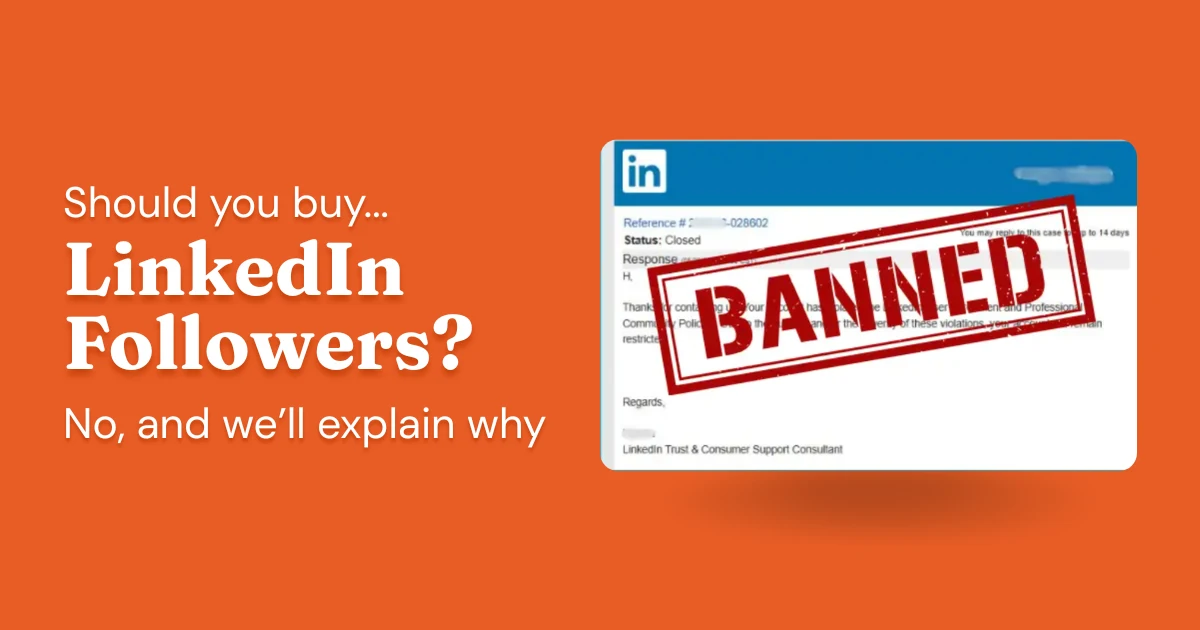
Considering buying LinkedIn followers? It's one of the most-Googled LinkedIn questions. Here's the honest answer on whether it works, what the risks actually are, and what happens if you do it anyway.
Short answer: I'm a LinkedIn expert, and I do NOT recommend you buy LinkedIn followers. Let me try to discourage you.
- Your account can be suspended; your reputation takes a hit the moment anyone checks your engagement against your follower count.
- Purchased followers are usually bots or inactive accounts—they tank your engagement ratio, which reduces how many real people see your posts.
- Organic growth through actual engagement is slower but compounds. Bought followers actively work against you.
What You're Actually Buying
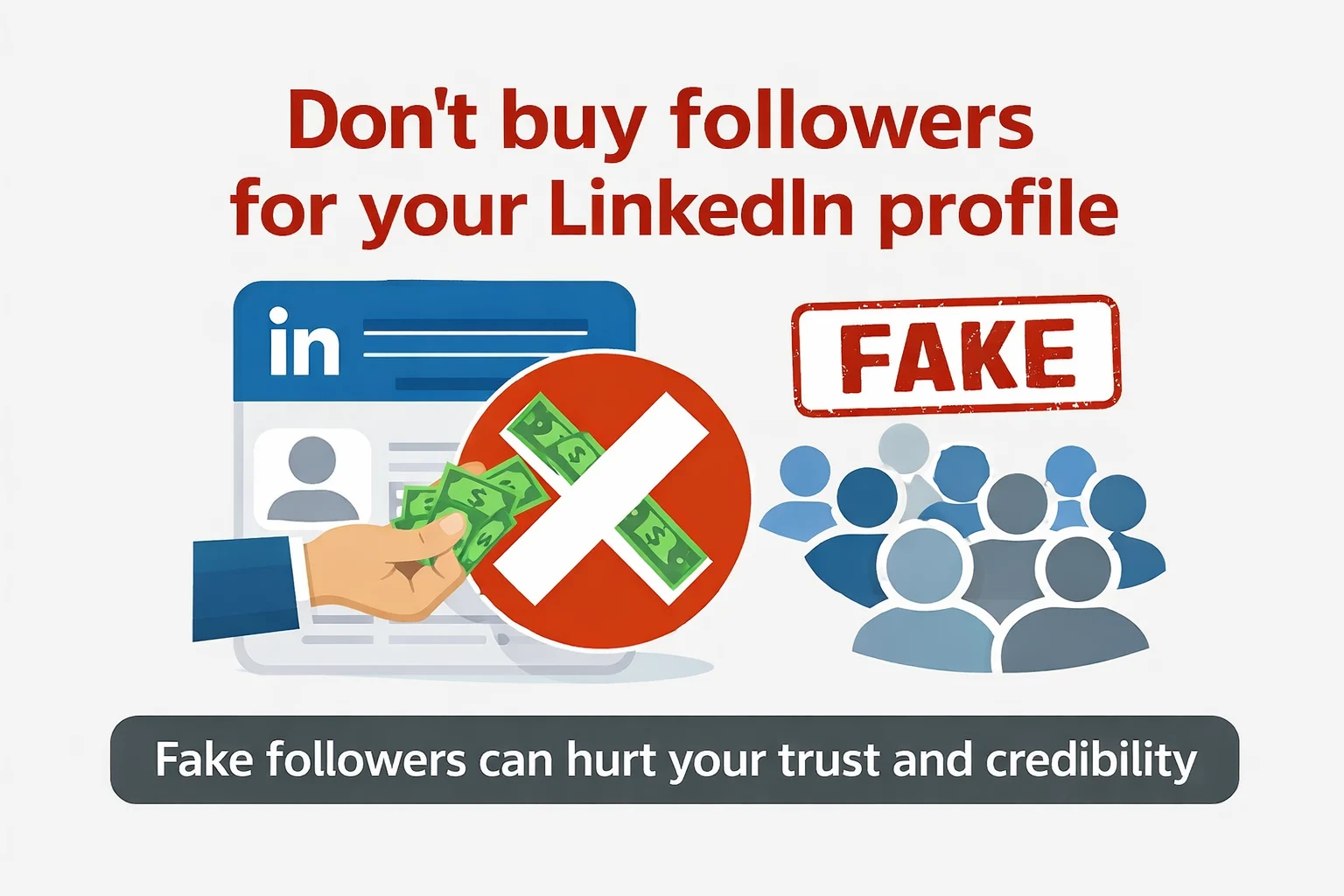
Buying LinkedIn followers means paying a third-party service to inflate your follower count—for personal profiles or company pages, in whatever quantity the package offers. The followers you get are usually inactive accounts or bots, not real LinkedIn users.
The number looks bigger. That's about all it does. LinkedIn prohibits it outright, and if detected, your account can be suspended or permanently banned. The bigger practical problem is that fake followers destroy your engagement ratio, which is something LinkedIn's algorithm actively measures—and punishes.
Account Risk: What LinkedIn Can Do
No. LinkedIn's algorithm flags unnatural follower spikes, and the consequences range from reduced content visibility to a full account suspension or ban. That's the platform-level risk.
The reputational risk is just as real. LinkedIn is a professional network—people do look at follower-to-engagement ratios, and a profile with 10,000 followers and 3 likes per post reads as suspicious to anyone paying attention. Peers and potential clients notice.
And the more damaging reality: buying followers typically makes your reach worse, not better. LinkedIn's algorithm uses engagement-to-follower ratio as a signal. Add a bunch of accounts that never interact, and your content gets shown to fewer real people over time. It's a slow leak that's hard to reverse.
What a Higher Number Gets You (Not Much)
More followers look more impressive at a glance. That's the entire case for it.
The impression evaporates the moment someone checks your engagement. Bought followers go dark the moment they're added. No likes, no comments, no shares. A profile with a large following and near-zero engagement signals something's off—to people and to the algorithm alike.
What Goes Wrong
The risks are straightforward: account suspension or ban, a damaged professional reputation, and a depressed engagement ratio that reduces how many real people see your content. LinkedIn's policies explicitly prohibit it. The algorithm detects unusual follower spikes and penalizes your account accordingly.
Beyond the platform risk, fake followers don't engage, don't convert, and don't refer. The money spent is simply gone, with your content reach worse off than before you started.
Algorithm Impact
LinkedIn's algorithm uses engagement-to-follower ratio as one of its core signals for content distribution. Buy followers who never engage, and that ratio drops—meaning fewer real people see your posts. It's a direct trade-off, not a theoretical one.
Industry match between followers and engagers is another signal the algorithm weighs. Fake accounts rarely belong to your professional field, which dilutes your content's relevance on top of the ratio hit. The effect compounds: each post reaches fewer relevant people, generates less engagement, and suppresses the one after it.
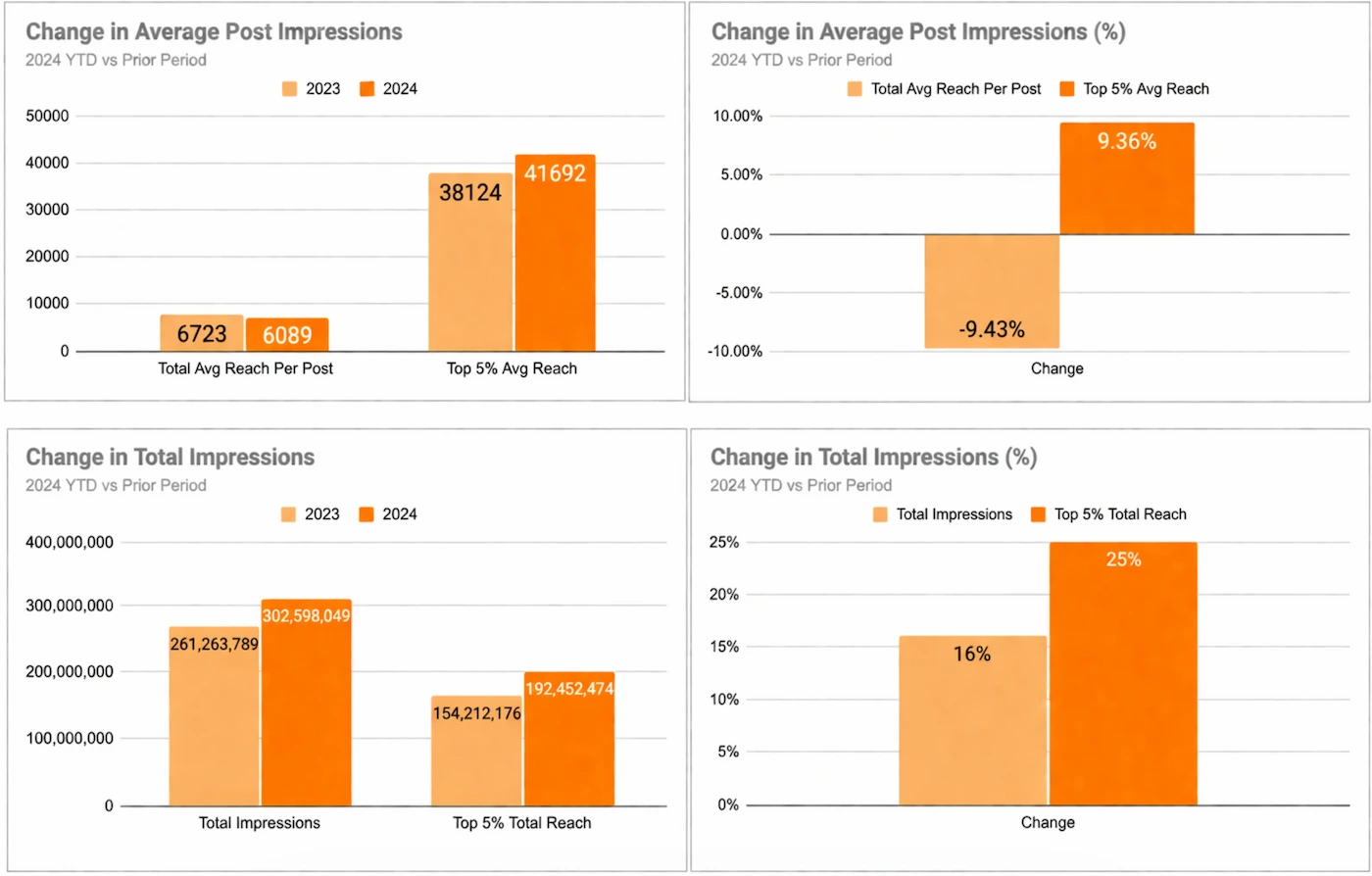
The practical outcome: a bought follower cohort reshapes who LinkedIn thinks your audience is, and the algorithm serves your posts to fewer and fewer relevant people over time. Past engagement is weighted heavily, so the drag compounds—you're still paying the penalty on posts you publish months later.
Your Engagement Ratio Takes the Hit
Engagement quality matters more than follower count on LinkedIn. A smaller audience that actually reads and responds to your posts will always outperform a large one that ignores you. Use the LinkedIn Engagement Rate calculator to see where you actually stand.
Purchased followers don't comment, don't share, and don't become customers. They just make your engagement numbers look bad relative to your follower count—which is the signal the algorithm uses to decide who sees you next.
The Damage Compounds Over Time
The effects don't stop when you stop buying. The fake followers are still there, still dragging down your ratio. Real connections who notice the disparity lose trust. Creators with large followings who've gone this route report it doesn't generate leads—the followers aren't real people who could become clients anyway.
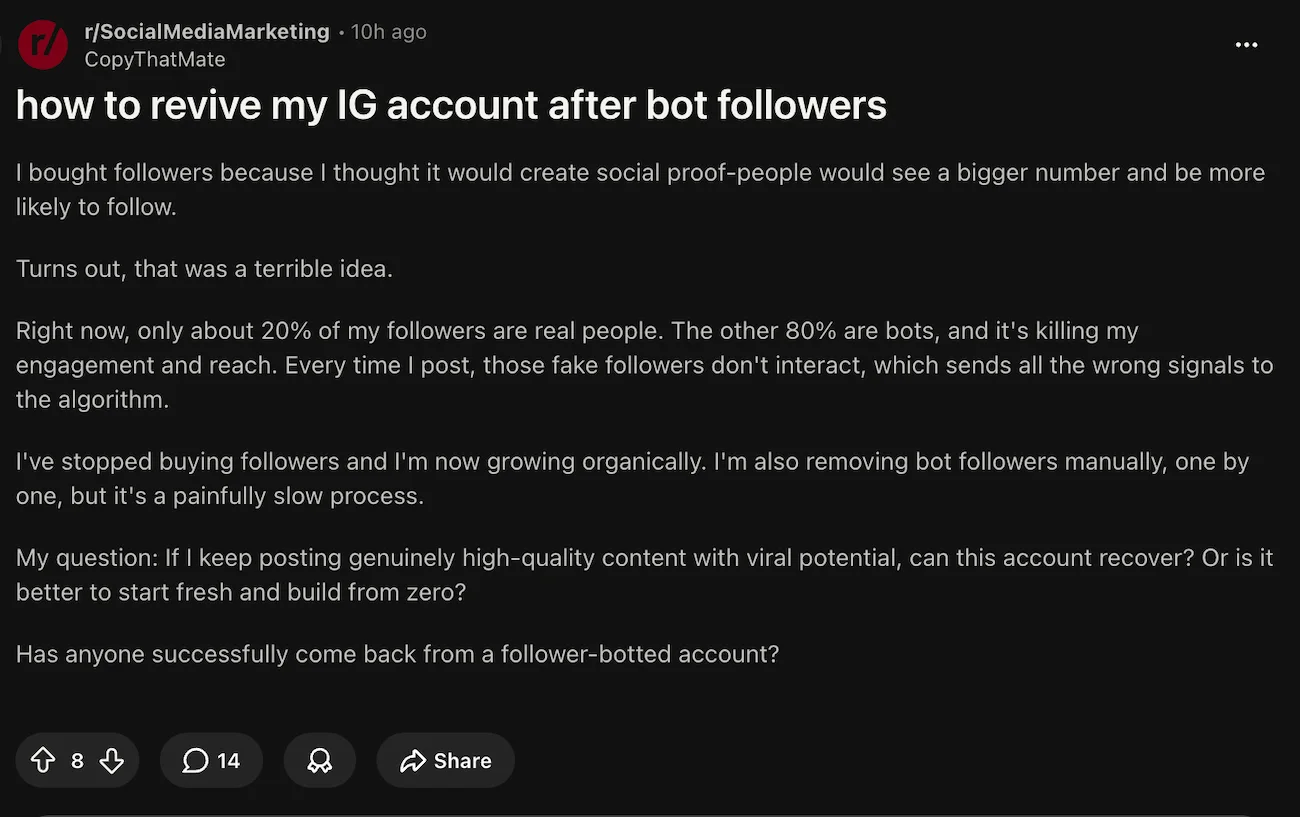
And in the worst case, LinkedIn bans the account. There's no clean recovery from that.
Is There a Safe Version of This?
No. LinkedIn's detection systems flag unusual follower spikes, and no third-party provider can actually deliver followers that behave like real engaged users. The engagement ratio problem doesn't disappear based on how a service markets itself.
Skip it entirely. The downside scenarios (suspension, reputation damage, permanent reach suppression) are real and hard to recover from. No follower count bump is worth the trade-off.
What Actually Works Instead
The alternatives are slower but they actually work. Bought followers don't become leads or clients—they're not real people with genuine interest in what you do. Organic followers are.
Consistent networking, using LinkedIn's features (groups, live events, collaborative articles), and showing up regularly all compound over time. Think less about "growing your following" as a tactical goal and more about building actual relationships with people in your market.
Start With Your Profile Foundation
A complete, well-optimized profile is one of the simplest levers for organic growth. It improves your visibility in LinkedIn search, makes a better first impression on anyone who lands there, and signals credibility before you've said a word.
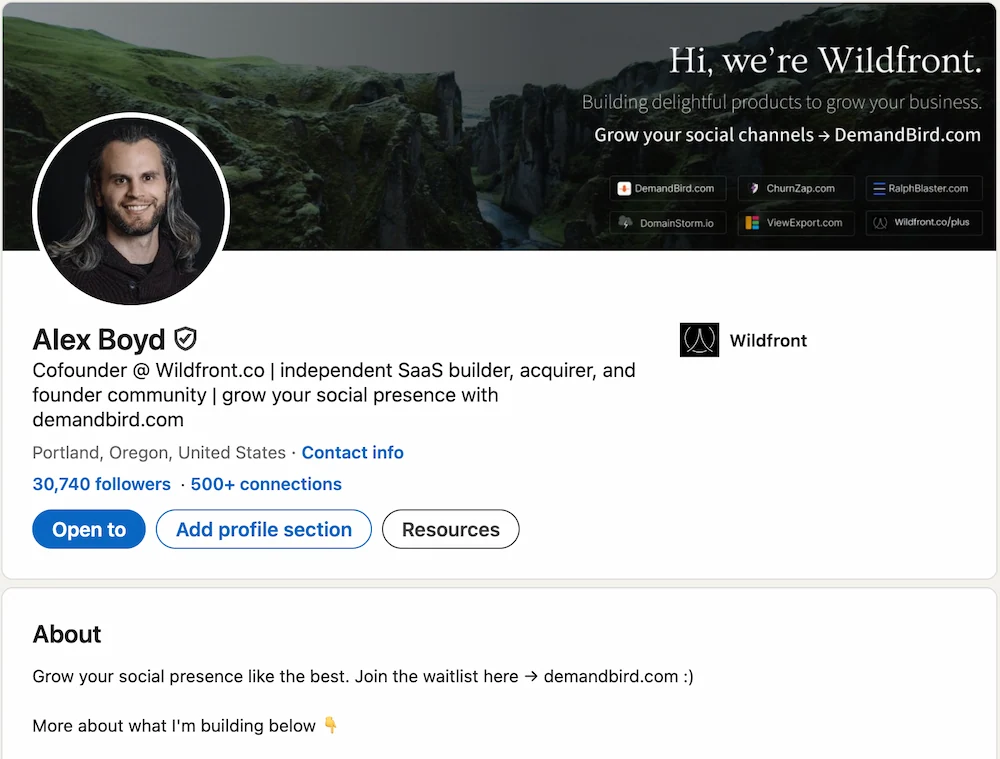
A good photo, a clear headline, and a well-written About section all help. The goal is to make it obvious to anyone who visits your profile what you do and why it matters to them—so they connect rather than bounce.
Show Up Consistently With Real Content
Consistent posting is the main driver of organic follower growth on LinkedIn. Posting several times a week keeps you visible to your existing audience and increases the surface area for new people to discover you. Posting whenever you feel like it tends to flatline.
LinkedIn's format options—articles, carousels, short-form video—each reach different parts of the feed. You don't need to use all of them, but experimenting tells you which formats your audience actually responds to.
Invest in Actual Conversations
Genuine engagement is what actually drives growth on LinkedIn. That means:
- Reaching out personally to people in your space, not just accepting connection requests passively
- Publishing content that gives people something to react to or disagree with
- Showing up in other people's comments threads, not just your own posts
- Finding ways to co-create or collaborate with others in your niche
Responding to comments on your posts matters more than most people realize. It signals to the algorithm that the post is generating conversation, which extends its distribution. It also shows people who land on your profile that you're actually present, not just broadcasting.
Bottom Line: Skip It
Buying followers is a bad trade: you pay money to make your content reach fewer people, risk your account, and make your profile look worse to anyone paying attention. There's no version of this that ends well.
The organic path is slower, but a real audience—people in your industry who actually read your posts—is what generates leads, referrals, and opportunities. That's what you're actually trying to build.
Frequently Asked Questions
What happens to your account if LinkedIn detects bought followers?
Your account can be suspended or permanently banned. LinkedIn's systems flag unusual follower spikes, and enforcement is real. Beyond the platform risk, your content reach drops because fake followers destroy your engagement ratio.
What do fake followers actually do to your LinkedIn metrics?
They tank your engagement ratio. Bots and inactive accounts never react or comment, so your ratio of engagement to followers collapses. The algorithm reads that as low-quality content and distributes it to fewer real people.
Can a higher follower count help your LinkedIn reach?
Only if those followers are real and engaged. A large count of fake or inactive followers actively suppresses reach by lowering your engagement ratio. More fake followers means fewer real eyeballs on your content.
How do you grow your LinkedIn following without buying followers?
Optimize your profile, create content regularly, and be known in your industry—comment on others' posts, respond to your own comments. It's slower than buying, but the followers you earn actually matter.
What makes a real LinkedIn audience more valuable than a bought one?
Real followers are actual professionals who can hire you, refer you, or buy from you. They engage with your content, which tells the algorithm to distribute it further. Fake followers do none of that and actively suppress your reach.
Grow your LinkedIn presence the right way
DemandBird helps B2B teams build genuine LinkedIn influence, no shortcuts, no vanity metrics.
Start Free Trial